
Fahrenheit 451
Ray Bradbury (1920–2012)
Corgi Books • 1960 • 159 pages • Paperback

About the Author
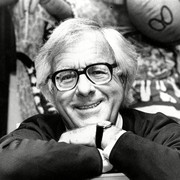
Ray Bradbury
1920-2012 · 2 works
Ray Bradbury is one of those rare individuals whose writing has changed the way people think. His more than five hundred published works -- short stories, novels, plays, screenplays, television scripts, and verse -- exemplify the American imagination at its most creative. Once read, his words are never forgotten. His best-known and most beloved books, *The Martian Chronicles*, *The Illustrated Man*, *Fahrenheit 451* and *Something Wicked This Way Comes*, are masterworks that readers carry with them over a lifetime. His timeless, constant appeal to audiences young and old has proven him to be one of the truly classic authors of the 20th Century -- and the 21st. In recognition of his stature in the world of literature and the impact he has had on so many for so many years, Bradbury was awarded the National Book Foundation's 2000 Medal for Distinguished Contribution to American Letters, an the National Medal of Arts in 2004. ([Source][1]) [1]: http://www.raybradbury.com/about.html
Description
Fahrenheit 451 is a 1953 dystopian novel by American writer Ray Bradbury. Often regarded as one of his best works, the novel presents a future American society where books are outlawed and "firemen" burn any that are found. The book's tagline explains the title as "'the temperature at which book paper catches fire, and burns": the autoignition temperature of paper. The lead character, Guy...
Fahrenheit 451 is a 1953 dystopian novel by American writer Ray Bradbury. Often regarded as one of his best works, the novel presents a future American society where books are outlawed and "firemen" burn any that are found. The book's tagline explains the title as "'the temperature at which book paper catches fire, and burns": the autoignition temperature of paper. The lead character, Guy Montag, is a fireman who becomes disillusioned with his role of censoring literature and destroying knowledge, eventually quitting his job and committing himself to the preservation of literary and cultural writings.
The novel has been the subject of interpretations focusing on the historical role of book burning in suppressing dissenting ideas for change. In a 1956 radio interview, Bradbury said that he wrote Fahrenheit 451 because of his concerns at the time (during the McCarthy era) about the threat of book burning in the United States. In later years, he described the book as a commentary on how mass media reduces interest in reading literature.
In 1954, Fahrenheit 451 won the American Academy of Arts and Letters Award in Literature and the Commonwealth Club of California Gold Medal. It later won the Prometheus "Hall of Fame" Award in 1984 and a "Retro" Hugo Award, one of a limited number of Best Novel Retro Hugos ever given, in 2004. Bradbury was honored with a Spoken Word Grammy nomination for his 1976 audiobook version.
Also contained in:
This Edition
Corgi Books · 1960 · Paperback · 159 pages
- Language
- ENG


